How to Resolve Common Sales Tax Issues in QuickBooks Desktop?
During the process of filling tax returns or doing other tax-related tasks on QuickBooks Desktop, users may run into common Sales Tax Issues. This piece of writing shall be explaining different Sales Tax Issues in QuickBooks and measures to fix them. So, keep reading.
Common Sales Tax Issues
and Solutions in QuickBooks Desktop
Error 1: Invoice prints T although the
sales tax feature is turned off
Cause: Issues
within the invoice template
Solution 1: Creation of a new template
• Click New in the Templates box.
• Hit on Ok.
• Name the template, and then save the modifications.
Solution
2: Creation of a Duplicate Template
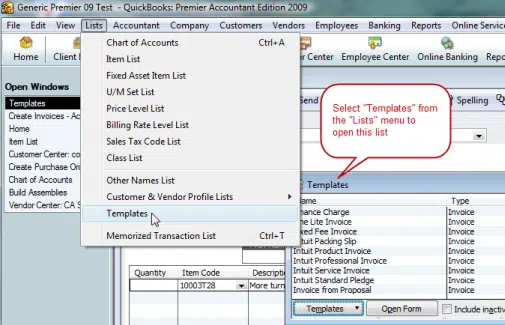
• Choose Templates option.
• Under Templates, pick the invoice template to show.
• Now, go to the Templates menu and click on Duplicate.
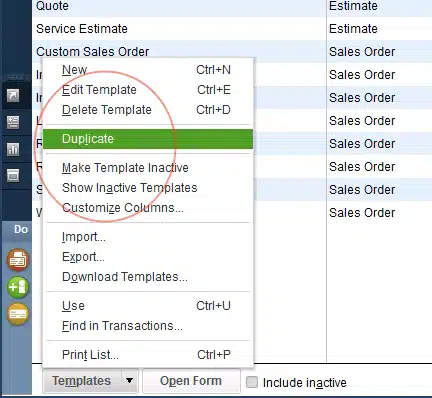
• After that, click "Ok."
Solution 3: Opting for the Default option
• Then, go to Templates.
• Go to basic customization.
• Click on "Additional Customization."
• Choose the "Default" option and click on "OK."
Issue 2: Setting the Sales Tax
Payable improperly in Write Checks
Solution: Review the Client Data
• Then, check the Bank Register to see how the payments were made.
• Here, find any sales tax payments that were entered erroneously.
• In the Vendors menu, choose the Sales Tax option.
• Click on the "Pay Sales Tax" option.
• If you have more than one account, use the Pay from Account option to choose the one to use.
• The checking account should have enough money in it to pay for the sales tax. If the user doesn't have enough money, they should choose an alternative account.
• After that, put the date of the sales tax payment in the Check Date field.
• Change the date under "Show sales tax due through" to the end of the payment period.
• The user should input the check number from the first payment into the Starting Check Number field.
• Then, in the column labeled "Pay," check the boxes next to the items to pay for.
• Now, choose the amount in the "Amount Paid" column and change it for any of the items needed.
• The total should be the same as what was paid at the beginning. Once that's been checked, click on Ok.
• Delete the initial payment transactions from QuickBooks.
• After that, Choose Chart of Accounts from the Lists tab.
• Type in the payment and double-click the bank account you've already saved.
• To change, scroll to the date you paid sales tax.
• Keep in mind that the entries should be near to each other because the dates on the original payment and the payment that was re-entered are the same.
• The payment will be put in again as a type called TAXPMT. Check the TAXPMT entry and then pick Record if the first payment has already been received and cleared by the bank.
• Make careful to modify the check numbers in the register to match the real check numbers if you pay sales tax to more than one tax agency and the checks weren't issued in sequence to begin with. To do this, click on the Number section, input the right check number, and then click on Record.
• Select the first sales tax payment (CHK/CHK type), then go to the Edit menu and click "Delete Check."
• Double-check whether the error got fixed.
• Run a report on your sales tax liability for the most recent date and compare the findings to the amount left in the sales tax due account.
• Run the Vendor Balance Detail report to see how much each tax agency owes to each vendor.
• Run the Transaction List by Vendor report to see whether there are any payments that have already been made.
Issue 3: The user must specify
vendor name for his/her sales tax account
Fix: Type in a vendor name in the Customer: Job section when creating the journal entry.
Error 4: Negative sales tax payable on the cash basis Balance Sheet
report
Cause: If the
user pays sales tax at the end of the month, he or she should be able to do so
either when the invoice is made (on an accrual
basis) or when the tax is paid. (cash basis). If the payment is made on the
accrual basis but the report is performed on the cash basis, the Sales Tax Payable
account shall have a negative value.
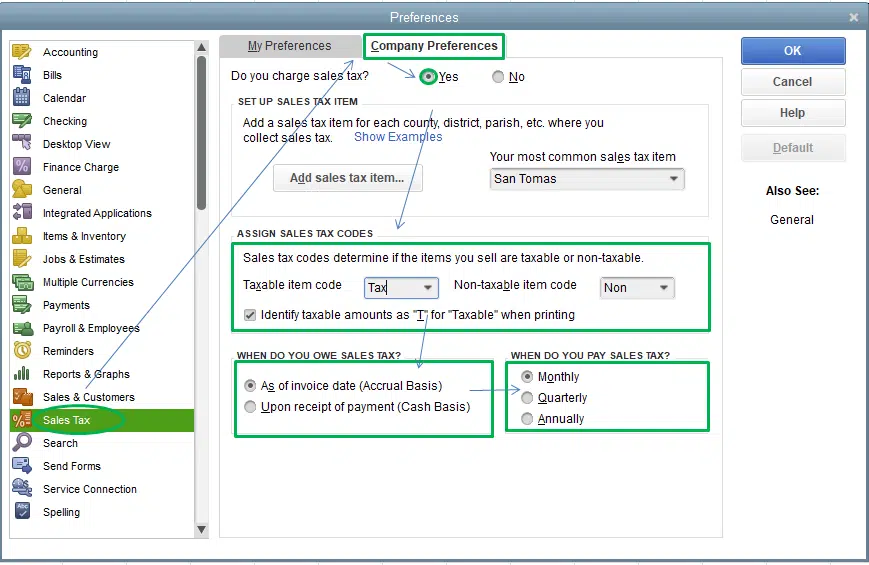
How to set the Sales tax basis in QuickBooks:
• Hit on the File tab.
• Change the mode to "Single-user Mode."

• Now, click on Edit and opt for Preferences.
• In the Preferences window, click on Sales Tax.
• Opt for "Company Preferences."

• In the "When do you have to pay sales tax?" option, choose the appropriate option.
• When that's done, click on OK.
Error 5: Inactive Sales Tax Items also impact the Sales Tax Group
Fix: When a Sales Tax Item is set to Inactive, the allocated Sales Tax Group does not have the item deleted. To effectively apply the active sales tax items, the inactive sales tax items must be cleared from the Sales Tax Group. The steps for the same are given as under:
•
Click on Lists.
•
Here, click on the "Item List"
button.
•
Now, double-click the Sales Tax Group.
•
Select the sales tax item and then press the
Ctrl and Delete keys simultaneously.
•
Finally, click "Ok."
Issue 6: Error when users try to create a Credit Memo
Cause: The sales
tax item on the invoice
is included even if the sales tax setting in the company file is disabled.
Fix:
Enable Sales Tax on in the company file
• Opt for Preferences.
• Click on Sales Tax, then click on Company Preferences.
• Hit on Yes when the prompt showed up stating "Do you charge sales tax?"

Comments
Post a Comment